
Sustainable packaging refers to packaging materials and systems that minimize environmental impact throughout their lifecycle.
From sourcing raw materials to manufacturing, transportation, use, and disposal, sustainable packaging aims to reduce waste and conserve resources while maintaining product performance.
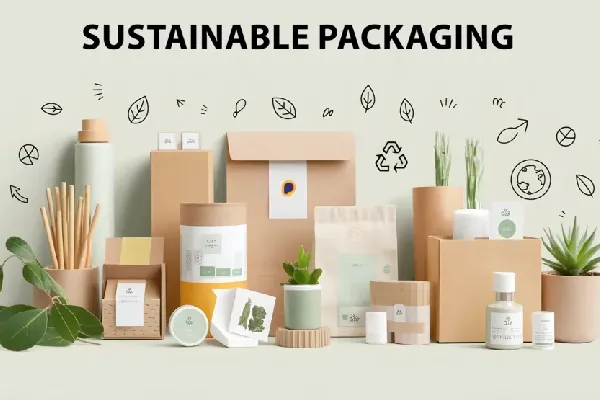
As environmental awareness continues to grow, sustainable packaging has become a major priority for businesses across industries, especially in food service, retail, hospitality, and e-commerce.
Traditional packaging often relies heavily on single-use plastics and non-renewable resources.
These materials can create long-term environmental challenges, including:
Sustainable packaging seeks to address these issues by promoting more responsible material choices and waste management practices.
For many companies, adopting sustainable packaging is now both an environmental responsibility and a business opportunity.
A sustainable packaging solution generally follows several key principles.
Materials sourced from renewable resources help reduce dependence on fossil-fuel-based products.
Paper-based packaging is one example of a renewable packaging solution.
Packaging that can be recycled helps keep materials in circulation and reduces waste generation.
Efficient packaging design minimizes material use without compromising functionality.
Sustainable packaging encourages the reuse, recovery, and recycling of materials whenever possible.
Reducing energy consumption and carbon emissions throughout the supply chain is another important objective.
Consumer expectations have changed significantly over the past decade.
Many customers actively seek brands that demonstrate environmental responsibility.
Research consistently shows that consumers increasingly value:
As a result, packaging choices can directly influence purchasing decisions and customer loyalty.
The food and beverage sector is one of the largest users of disposable packaging.
Consequently, it is also one of the industries driving the strongest demand for sustainable alternatives.
Popular sustainable packaging solutions include:
Paper cups have become a preferred alternative to plastic beverage cups.
Advantages include:
Learn more:
https://papergco.com/paper-cups.html
Custom printed paper cups help businesses combine sustainability with marketing and brand visibility.
Learn more:
https://papergco.com/custom-printed-paper-cups.html
Double wall kraft paper cups provide additional insulation while maintaining an eco-friendly appearance.
Learn more:
https://papergco.com/double-wall-kraft-paper-cups.html
Paper straws are increasingly replacing plastic straws in cafés, restaurants, hotels, and beverage chains.
Benefits include:
Learn more:
https://papergco.com/paper-straws.html
https://papergco.com/3-layer-paper-straws-6mm-8mm-12mm.html
Kraft paper bowls provide a practical takeaway food packaging solution while supporting sustainability goals.
Learn more:
https://papergco.com/kraft-paper-bowls.html
Paper bags continue to gain popularity as businesses move away from single-use plastic bags.
Learn more:
https://papergco.com/paper-bags.html
Sustainable packaging offers more than environmental advantages.
Customers increasingly associate environmentally responsible packaging with trustworthy brands.
Sustainability can help businesses stand out in crowded markets.
Consumers often prefer companies that align with their personal values.
Sustainable packaging contributes to Environmental, Social, and Governance goals.
Companies that adapt early to sustainability trends may be better positioned for future regulatory and market changes.
While some eco-friendly materials may have higher upfront costs, long-term benefits often outweigh the difference through improved brand perception and customer loyalty.
Modern paper-based packaging solutions are designed to meet the practical demands of food and beverage service.
Today's consumers pay more attention to packaging than ever before, especially younger generations who prioritize sustainability.
The packaging industry continues to evolve rapidly.
Emerging trends include:
Businesses that monitor these trends can remain competitive while supporting environmental goals.
Transitioning to sustainable packaging does not have to happen overnight.
Companies can begin by:
Even small changes can contribute to meaningful environmental improvements.
To explore sustainable paper packaging products, visit:
Sustainable packaging is no longer a niche concept—it is becoming an essential business strategy. As consumers, regulators, and markets increasingly prioritize sustainability, companies that adopt environmentally responsible packaging solutions can strengthen their brands while reducing their environmental footprint.
Paper cups, paper straws, kraft paper bowls, and paper bags are practical examples of how businesses can move toward a more sustainable future without compromising functionality or customer experience.



VNtech Group Joint Stock Company
ĐKKD: 2301222024 do sở KH&ĐT HÀ NỘI cấp ngày: 06/10/2022
Đăng ký lần đầu, ngày 06 tháng 10 năm 2022.
Connect