Paper GCO

PE vs PLA Paper Cups: What’s the Difference?

2026-06-08 08:57:51

PE vs PLA Paper Cups: What’s the Difference?

In the modern food and beverage packaging industry, paper cups must do more than simply hold drinks. Businesses today also need packaging solutions that align with sustainability goals, eco-friendly branding, and evolving consumer expectations.
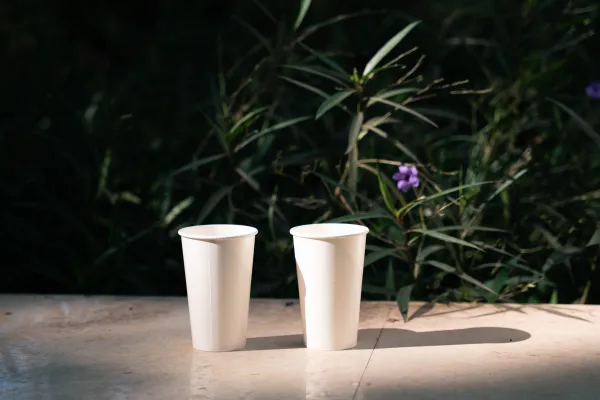
PE vs PLA Paper Cups

Currently, the two most common inner coatings used in paper cups are:

  • PE coating
  • PLA coating

Many coffee shops, bubble tea stores, and takeaway businesses are comparing these options to find the best balance between:

  • Cost efficiency
  • Customer experience
  • Eco-friendly branding
  • Sustainable packaging trends

This guide explains:

  • What PE and PLA coatings are
  • The differences between PE and PLA paper cups
  • Advantages and disadvantages of each type
  • Leak resistance and durability
  • Environmental considerations
  • Sustainable packaging trends in the F&B industry

Businesses can explore:

What Is PE Coating?

PE (Polyethylene) is a thin plastic coating applied inside paper cups to:

  • Prevent leaks
  • Improve water resistance
  • Maintain cup structure

PE coating remains the most widely used technology in takeaway paper cups today.

PE paper cups are commonly used for:

  • Hot coffee
  • Iced coffee
  • Bubble tea
  • Cold beverages
  • Soft drinks

Advantages of PE Paper Cups

Excellent Leak Resistance

PE coating helps:

  • Hold liquids effectively
  • Reduce leakage risks
  • Support both hot and cold beverages

Lower Cost

Compared to PLA cups, PE paper cups are generally:

  • More affordable
  • Easier to mass produce
  • More widely available

High Stability

PE coatings provide:

  • Reliable performance
  • Good heat resistance
  • Stable usability across many beverage types

Disadvantages of PE Paper Cups

More Difficult to Recycle

Because PE cups contain plastic lining:

  • Recycling processes are more complex
  • Specialized recycling systems may be required

Less Eco-Friendly Branding Appeal

Many modern brands are now seeking packaging alternatives that reduce plastic usage and improve sustainability perception.

What Is PLA Coating?

PLA (Polylactic Acid) is a plant-based material commonly made from:

  • Corn starch
  • Sugarcane
  • Renewable biological resources

PLA is increasingly used as an alternative to traditional plastic coatings in food packaging products.

Advantages of PLA Paper Cups

Stronger Eco-Friendly Branding

PLA cups are often used in:

  • Sustainable packaging
  • Eco-friendly cafes
  • Green branding strategies

Many consumers now prefer brands that actively reduce single-use plastic waste.

Plant-Based Material Source

Unlike traditional petroleum-based plastics, PLA is derived from renewable plant materials.

This can help businesses:

  • Strengthen sustainability positioning
  • Improve green marketing efforts
  • Appeal to environmentally conscious customers

Aligns with 2026 Packaging Trends

Many F&B businesses are gradually adopting:

  • Compostable packaging
  • Biodegradable materials
  • Sustainable takeaway solutions

Disadvantages of PLA Paper Cups

Higher Cost

PLA coating is typically:

  • More expensive than PE
  • More costly to manufacture
  • Higher in unit price

Specialized Disposal Requirements

Although PLA is often considered more environmentally friendly, many PLA products still require:

  • Proper industrial composting conditions
  • Specialized waste processing systems

What’s the Difference Between PE and PLA Paper Cups?

Material Source

PE:

  • Petroleum-based plastic material

PLA:

  • Plant-based renewable material

Cost

PE:

  • Lower cost

PLA:

  • Higher cost

Branding and Sustainability

PLA is often preferred for:

  • Eco-friendly branding
  • Green coffee shops
  • Sustainable business positioning

Market Popularity

PE remains the most common coating because of:

  • Cost efficiency
  • Manufacturing scalability
  • Reliable performance

Eco-Friendly Paper Cup Trends

Consumers are increasingly interested in:

  • Sustainable packaging
  • Plastic reduction
  • Eco-friendly takeaway products
  • Green brand values

Many coffee shops now use:

  • Kraft paper cups
  • Paper straws
  • Paper takeaway bags
  • Compostable packaging

Kraft Paper Cups and Sustainable Packaging Trends

Natural kraft paper cups continue to grow in popularity because they offer:

  • Minimalist design
  • Eco-friendly appearance
  • Modern cafe aesthetics
  • Premium branding appeal

Businesses can explore:
https://papergco.com/double-wall-kraft-paper-cups.html

How to Choose the Right Paper Cups

If Cost Efficiency Is the Priority

Choose:

  • PE paper cups

If Eco-Friendly Branding Is Important

Consider:

  • PLA paper cups

If Serving High Volumes

PE cups may offer better:

  • Operational efficiency
  • Cost control
  • Supply consistency

If Building a Sustainable Brand Image

PLA cups may help:

  • Improve brand perception
  • Support green marketing strategies
  • Strengthen sustainability positioning

Why Choose Papergco?

Papergco provides paper packaging solutions for modern F&B businesses.

Businesses can explore:

Popular product categories include:

  • Plain paper cups
  • Kraft paper cups
  • Custom printed paper cups
  • Paper straws
  • Kraft paper bowls
  • Takeaway paper bags

Frequently Asked Questions

What is PE coating?

PE is a plastic lining commonly used inside paper cups to prevent leaks and improve water resistance.

Are PLA paper cups more eco-friendly?

PLA cups are commonly considered more eco-friendly because they use plant-based materials instead of petroleum-based plastics.

Are PLA paper cups more expensive?

Yes, PLA-coated paper cups generally cost more than PE-coated cups.

Why are many coffee shops interested in PLA cups?

Many businesses are adopting sustainable packaging to improve eco-friendly branding and reduce plastic-related concerns.

Are PE paper cups still popular?

Yes, PE-coated paper cups remain the most widely used option because of their affordability and stable performance.

 
0528 983 983
Co loi xay ra
Co loi xay ra