As consumers and businesses become more environmentally conscious, paper cups are increasingly replacing plastic cups in coffee shops, restaurants, offices, events, and takeaway beverage services.
One of the most frequently asked questions is:
Can paper cups be recycled?
The answer is yes, paper cups can be recycled. However, the recycling process depends on the cup's construction, collection systems, and the recycling facilities available in a particular region.
Many people assume paper cups are made entirely from paper. In reality, paper cups are designed to hold liquids safely and therefore contain multiple layers.
A typical paper cup consists of:
The moisture barrier is usually made from:
This lining prevents leaks but also makes the recycling process more complex.
Modern recycling facilities can separate paper fibers from the waterproof lining and recover valuable materials for reuse.
The process generally includes the following steps:
Used paper cups are collected separately rather than mixed with general waste.
The cups are sorted based on material type and contamination levels.
The cups are processed in water, allowing paper fibers to separate from the lining.
Recovered paper fibers can then be used to manufacture:
Although paper cups are recyclable, not every used cup enters the recycling stream.
Several factors can affect recyclability:
Cups heavily contaminated with milk, food residue, or oils can be difficult to recycle.
In many locations, paper cups are still disposed of with general waste.
Not all recycling facilities have the equipment required to separate paper fibers from plastic or bioplastic linings.
As a result, actual recycling rates vary depending on local waste management systems.
In most situations, the answer is yes.
Paper cups are primarily produced from renewable resources such as responsibly managed forestry products.
Paper fibers can often be recovered and reused in new products.
Paper-based materials generally break down more quickly than conventional plastics under suitable conditions.
Businesses increasingly use paper cups as part of their environmental and sustainability initiatives.
Many coffee shops, bubble tea stores, restaurants, and food service brands are moving toward paper-based packaging solutions because they:
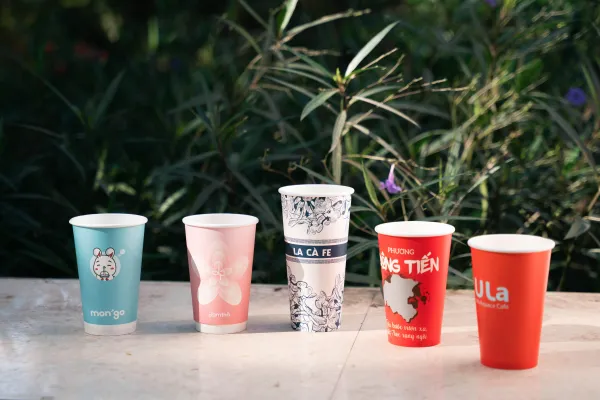
For businesses looking to build stronger brand recognition, custom printed paper cups can also serve as an effective marketing tool.
Depending on the application, businesses can choose from a variety of paper cup solutions.
Ideal for cafés, offices, events, takeaway beverages, and high-volume operations.
Learn more:
https://papergco.com/plain-paper-cups-12oz-16oz-22oz.html
A professional branding solution that helps businesses showcase their logo and message.
Learn more:
https://papergco.com/custom-printed-paper-cups.html
Designed for improved insulation, comfort, and a premium eco-friendly appearance.
Learn more:
https://papergco.com/double-wall-kraft-paper-cups.html
When selecting paper cups for your business, consider:
To explore a full range of sustainable paper packaging products including paper cups, paper straws, kraft paper bowls, and paper bags, visit:
Paper cups can be recycled, especially when collected and processed through appropriate recycling systems. While recycling outcomes depend on local infrastructure and waste management practices, paper cups remain one of the most practical alternatives to single-use plastic cups due to their renewable materials, recyclability, and positive environmental profile.
For businesses seeking sustainable packaging solutions, paper cups offer both environmental benefits and valuable branding opportunities.



VNtech Group Joint Stock Company
ĐKKD: 2301222024 do sở KH&ĐT HÀ NỘI cấp ngày: 06/10/2022
Đăng ký lần đầu, ngày 06 tháng 10 năm 2022.
Connect